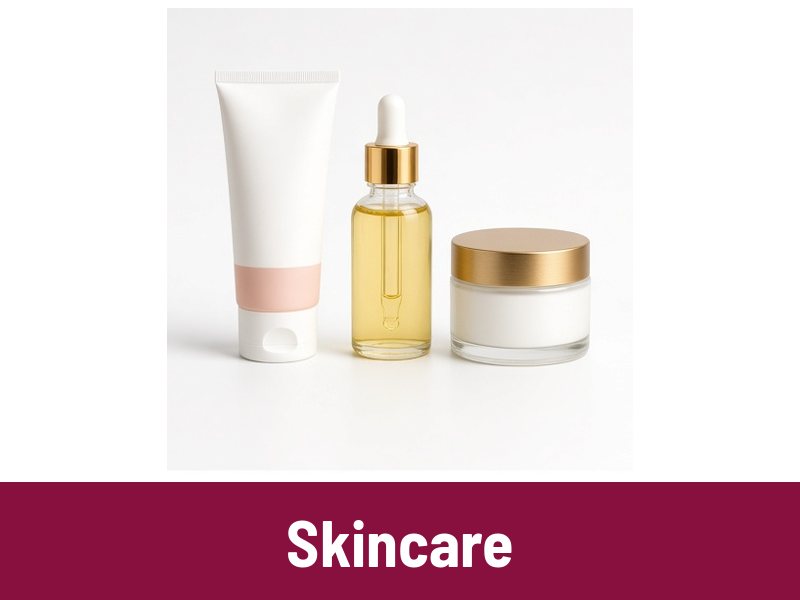
 Skincare
 Makeup
 Hair Care
 Fragrance
 Bath & Body
 Nail Care
 Beauty Tools
11.11 beauty guides
Skincare on your 11.11 list? What to check first
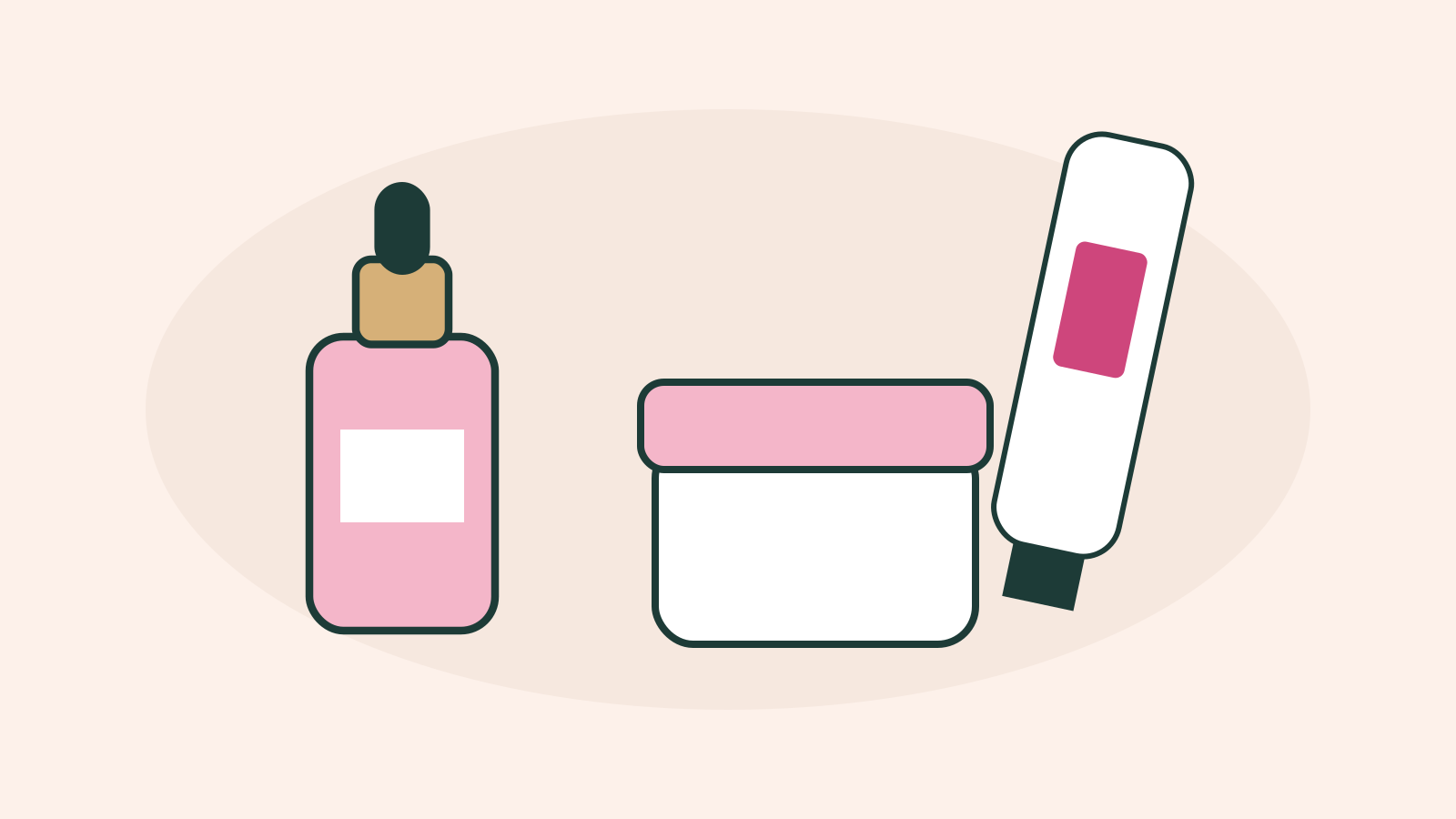
Skincare is one of the most tempting things to buy on a sale day. A serum you have been curious about, a moisturizer you already love in a bigger size, or a cleanser to replace one that is nearly empty can all feel like easy wins.
Skincare is also very personal. The same product can feel wonderful on one person and uncomfortable on another. This guide walks through the questions to ask before you order, so your 11.11 skincare haul is made of products that suit you.
Begin with the basics you use every day
Most routines are built on three steps: cleanse, moisturize and, in the morning, protect from the sun. These are the products you go through fastest, which makes them the best things to buy when prices are good.
If any of your everyday basics are running low and you are happy with them, buying the same product again is the safest choice you can make. If you want to try something new, start with one product at a time so you can tell how your skin responds.
Match the product to your skin type
Every product page on Dewora lists the skin type the product is made for. Here is a quick guide to what usually suits each type.
Dry skin tends to enjoy cream cleansers, richer moisturizers and ingredients that help skin hold water, such as glycerin and hyaluronic acid.
Oily skin often prefers gel cleansers and lighter, oil free moisturizers. A gel or lotion texture can feel more comfortable than a heavy cream.
Combination skin may need a lighter moisturizer for oily areas and something richer for dry patches, or one product with a balanced texture.
Sensitive skin usually does best with short ingredient lists and fragrance free formulas.
If the skin type line says "Not confirmed", check the retailer listing or the maker's description.
Understand the main product types
Cleansers remove makeup, sunscreen and the day's oil. Gentle formulas leave skin feeling comfortable rather than tight.
Toners and essences are light liquids applied after cleansing. They are optional, not essential.
Serums are concentrated formulas aimed at a particular concern, such as dryness or dullness. They are applied before moisturizer.
Moisturizers help keep skin soft and comfortable. Textures range from light gels to rich creams.
Sunscreen protects skin from UV rays during the day. It is the last step of a morning routine.
Masks and exfoliants are occasional extras rather than daily steps.
Read the key ingredients
The ingredient list is printed in order of quantity, from most to least. The first five or six ingredients make up most of the formula. Our ingredient list guide explains this in detail.
A few ingredients appear often in skincare:
- Glycerin and hyaluronic acid help skin hold water.
- Niacinamide is a common ingredient in serums and moisturizers.
- Ceramides are found in many moisturizers for dry skin.
- Fragrance and essential oils add scent but can bother sensitive skin.
Ingredients are worth noting, but do not choose a product on a single ingredient alone. Texture, skin type and how it fits your routine matter just as much.
Compare sizes, not just prices
Skincare comes in many sizes, from 15 ml travel bottles to 200 ml pumps. The size line on each product page makes it easy to compare. A simple way to find value is to divide the price by the number of milliliters.
That said, a bigger bottle is only good value if you will finish it. Check the open jar symbol on the pack, which shows how many months the product lasts after opening. For a serum you use a few drops of each day, a smaller bottle may be the better buy.
Patch test before full use
When trying a new product, apply a small amount to the inside of your forearm or behind your ear and wait 24 hours. If there is no redness, itching or stinging, try it on a small area of your face before using it everywhere.
Introduce one new product at a time. If you start three new products in a week and your skin reacts, it is hard to tell which one caused it. If you have a skin condition, allergies, or are pregnant or nursing, talk to a doctor or dermatologist before trying something new.
Do not overcrowd your routine
It is easy to build a routine with eight or ten steps after a big shopping day. More steps do not always mean better results, and layering many active ingredients can leave skin feeling irritated. Most people do well with a cleanser, one serum, a moisturizer and sunscreen in the morning. Our simple routine guide explains how to keep it short.
Before you order
Dewora sends you to the retailer's page to complete your order. That page shows the final price, delivery time and returns policy. Check the full ingredient list there, and note that many retailers do not accept returns on opened skincare.
A quick checklist
- Restock the everyday basics you already love.
- Match each new product to your skin type.
- Read the first five ingredients and check for anything you avoid.
- Compare price per milliliter and the use by period after opening.
- Patch test and introduce one new product at a time.
You can browse our current pick on the 11.11 page and compare every product in Skincare, where the table at the bottom lines up type, skin type and price. Skincare that suits you is the kind you will keep using, long after the sale is over.
