Everyday routines
A simple skincare routine for every skin type
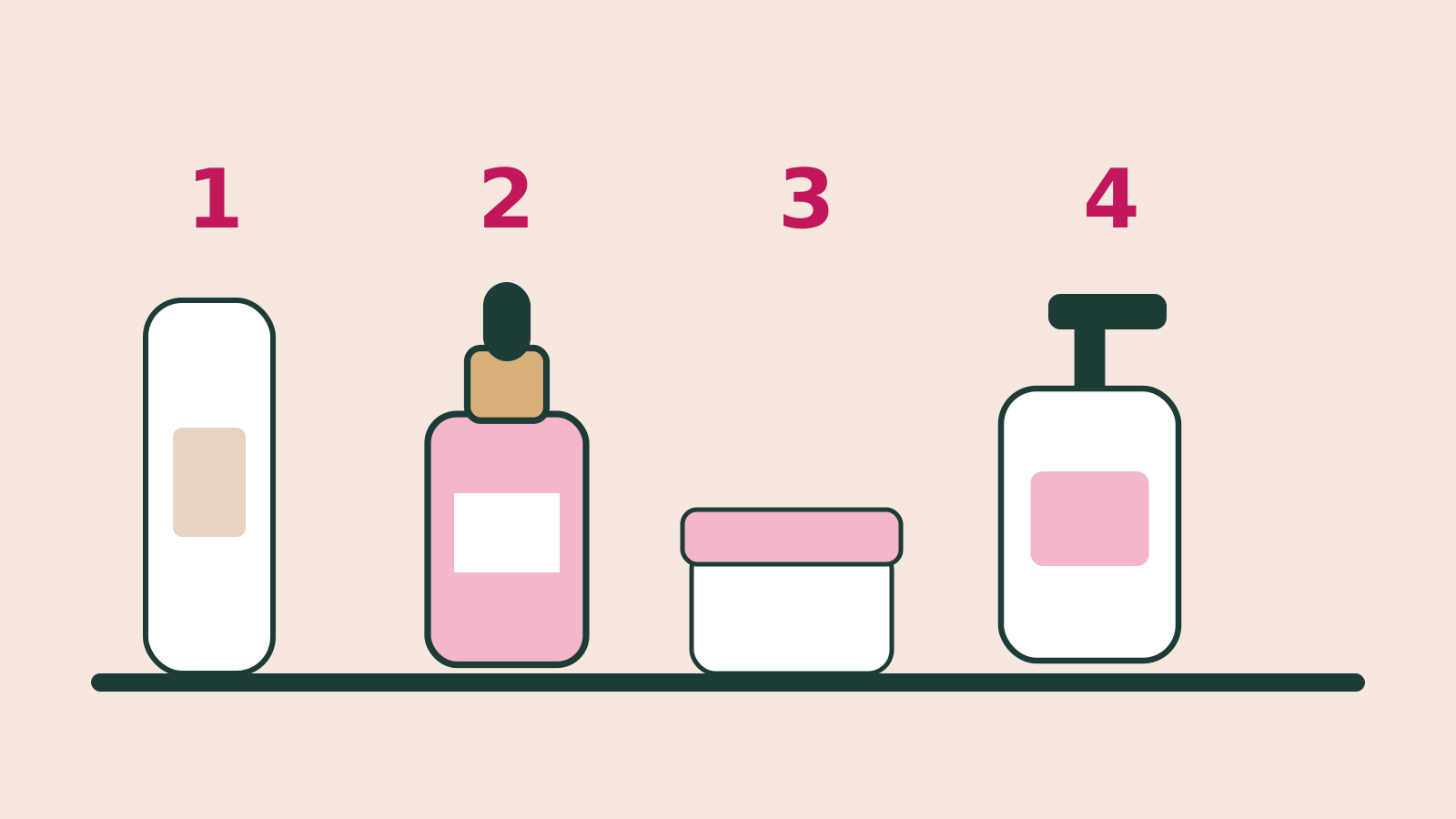
Skincare routines can look complicated. Social media is full of ten step routines, layers of serums and products for every possible concern. The truth is that most people do well with a short routine they can keep up every day.
This guide explains the core steps, the order to use them, and how to adjust them for your skin type. It also covers the steps you can safely skip.
The core routine
Most routines are built from four steps.
1. Cleanse. A cleanser removes makeup, sunscreen, oil and the dust of the day. In the evening it is essential. In the morning, some people with dry or sensitive skin prefer just a splash of water.
2. Treat (optional). A serum is a concentrated product aimed at a particular concern, such as dryness or dullness. It is optional, and one is usually enough.
3. Moisturize. A moisturizer helps keep skin soft and comfortable. Even oily skin usually benefits from a light one.
4. Protect. In the morning, finish with sunscreen. It is the step most often recommended for keeping skin healthy over time.
That is it. A cleanser, a moisturizer and a sunscreen is a complete routine. A serum is a useful addition if you have a particular concern.
The order matters
The general rule is to apply products from the thinnest texture to the thickest. Watery products go first, then serums, then creams, then sunscreen in the morning. This helps each layer sit comfortably on the skin.
Give each layer a minute to settle before applying the next, especially before sunscreen and makeup.
Dry skin
Dry skin often feels tight, especially after washing, and may have rough or flaky patches.
- Cleanse with a cream, milk or balm cleanser rather than a foaming one.
- Treat with a hydrating serum if you like. Ingredients such as glycerin and hyaluronic acid help skin hold water.
- Moisturize with a richer cream, particularly at night.
- Protect with a moisturizing sunscreen in the morning.
Lukewarm water is kinder to dry skin than hot water.
Oily skin
Oily skin looks shiny by midday and may have larger pores.
- Cleanse with a gentle gel or foaming cleanser. Avoid harsh cleansers that leave skin squeaky, which can leave it feeling uncomfortable.
- Treat with a light serum if you have a particular concern.
- Moisturize with a light gel or lotion, labeled oil free or non comedogenic if you prefer.
- Protect with a light, fluid sunscreen.
Combination skin
Combination skin is oily in the center of the face and drier on the cheeks.
- Cleanse with a gentle, balanced cleanser.
- Moisturize with a light lotion all over, and add a little richer cream on dry areas if needed.
- Protect with a sunscreen that does not feel heavy.
Sensitive skin
Sensitive skin reacts easily to new products, fragrance or weather.
- Keep the routine short. Fewer products mean fewer chances of irritation.
- Choose fragrance free cleansers and moisturizers with short ingredient lists.
- Introduce new products one at a time, and patch test first on the inside of your arm.
- Protect with a gentle sunscreen.
If you have a skin condition or your skin reacts often, talk to a doctor or dermatologist before changing your routine.
Normal skin
Normal skin feels comfortable most of the time. A gentle cleanser, a moisturizer suited to the season and a daily sunscreen are usually all it needs. Many people with normal skin use a lighter moisturizer in summer and a richer one in winter.
Steps you can skip
Toners are optional. Many modern toners are gentle and pleasant, but they are not essential.
Daily exfoliation is too much for most people. Once or twice a week is plenty, and some people with sensitive skin skip it entirely.
Multiple serums can be too much. Layering several active ingredients can leave skin irritated. Pick one serum for your main concern.
Masks are a nice occasional treat, not a daily step.
Adjusting for the seasons
Skin often changes with the weather. Many people find their skin is oilier in summer and drier in winter. You do not need a completely new routine each season, but small swaps help. In warmer months, a lighter moisturizer and a fluid sunscreen can feel more comfortable. In colder months, a richer cream and a gentler cleanser can keep skin from feeling tight. Our winter care guide, coming later this month, covers the colder months in more detail.
Keeping it going
The best routine is the one you actually do. Keep products where you will see them, choose textures you enjoy using, and give a new routine a few weeks before judging it.
Each product page on Dewora lists the type, skin type and size first, so you can check where a product fits in your routine before anything else. Read our ingredient list guide to understand what is inside, and compare cleansers, serums and moisturizers in Skincare.
A note on health
We are not doctors or dermatologists, and this guide is general information, not medical advice. If you have a skin condition, allergies, or are pregnant or nursing, talk to a doctor or dermatologist before changing your routine. Stop using any product that causes irritation.
A short routine you enjoy is better than a long one you abandon. Start simple, add only what you need, and let your skin settle in.
